Memorial prizes and notes for the Social Stratification Research Seminars
| HOME | Previous meetings | CAMSIS |
We maintain this page with inputs in memoriam for past members of the seminar group. Anybody wishing to input content or details, please do contact the website authors to set this up.
The RM Blackburn prize for best paper by an emerging scholar given to the Social Stratification Research Seminar
Inaugarated in the 2026 seminar meeting, this memorial prize is awarded on the basis of votes secured from seminar participants for best paper given to the meeting from a presenter who has never held a permanent academic position.
Papers awarded the RM Blackburn prize are documented below (commencing Sep 2026):
Seminar year Recipient 2026 Scott Oatley for the paper: School Climate, Belonging, Attendance and Achievement: Evidence from a Longitudinal Study in England (co-authors Sam Sims and Bobbie Mills)
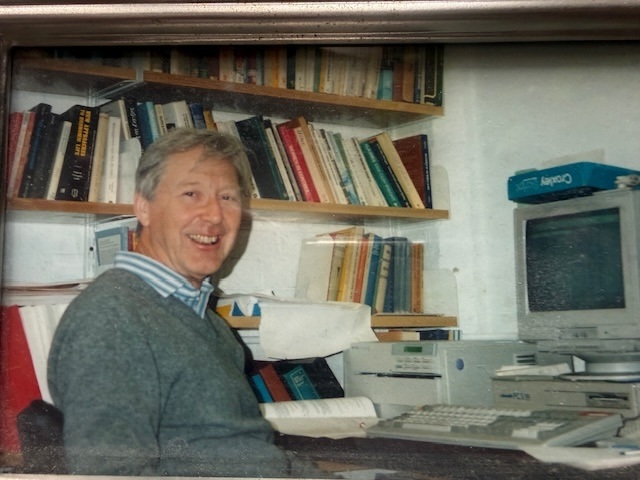
Robert M. (Bob) Blackburn
Robert M. (Bob) Blackburn passed away in January 2026 (obituary notice). Bob was the long running organiser of the Social Stratification Research Seminars - he was the principal or co-organiser of almost every meeting until 2001. Indeed, through this period the seminar meetings were synonmous with Clare College at the University of Cambridge, where Bob was a Fellow and where presentations were often organised. Although Bob formally retired in 2001, he continued to attend and engage with the seminar group for many subsequent years whenever possible.
Bob had a lengthy career in academia making important contributions on numerous topics in social stratification, including class inequality, the measurement of social stratification and gender segregation, and patterns of inequality experienced by minority groups. He is also remembered by many in the seminar group as an encouraging, insightful mentor, and it is in that spirit that the RM Blackburn memorial prize is awarded to emerging scholars in stratification - Bob always went over-and-above to encourage new people from any background to attend stratification seminar meetings.
One of Bob's longstanding colleagues, Prof Jenny Jarman, wrote this reflection on working with him:
I remember the first conversation I ever had with Bob, sitting in his office in the Department of Applied Economics as he extolled the virtues of his British-made Acorn computer. Over the years, our conversations turned to many other topics. Bob was passionately interested in the sound measurement of social phenomena and the deep investigation of social problems before developing policy solutions. He was highly critical of "common sense" understandings or taken-for-granted assumptions, and genuinely intrigued by seemingly contradictory research findings—such as high gender segregation levels being found in countries with both the highest and lowest levels of gender inequality (Scandinavian countries and some Arabian states). He was fascinated by topics relating to the experiences and relative positionality of working-class people, and highly critical of structured social privilege. One of his proudest achievements was figuring out the relationship between the Gini coefficient and ID. I always told him that this should be his epitaph. He was always humble and friendly, and despite being sorely tried by ill health and various misfortunes in his old age, he was a model of personal resilience and positive spirit. I miss him very much.
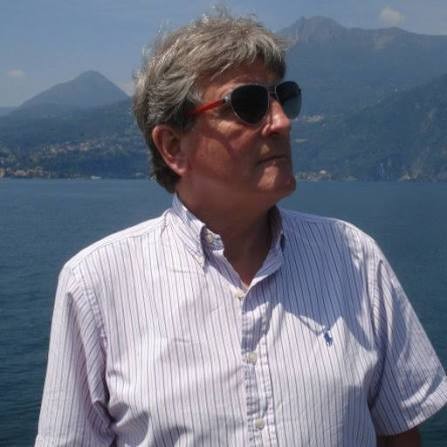
Roger D. Penn
Roger Penn, who died in July 2026 (obituary notes: (1); (2)), was a frequent attendee at the social stratification research seminar. Roger spent much of his career at Lancaster University (1977-2012) after studying at Univ. Cambridge and Brown University in Rhode Island, also holding a chair (from 2012) and emeritus post (from 2017) at Queens University Belfast. Roger participated in stratification seminars over a period of four decades - over the years he presented research on skilled work, technological change at work, measures of social stratification, the experiences of children of international migrants, and football governance and cultures. Roger was also well known for his frequent use of Rochdale as a research site. Impressively, at the 2018 (50th anniversary) meeting of the stratification seminar, Roger shared with the group his collated records of 23 career publications which were all based upon work that he had first presented to the stratification seminar.
Capable of great synthesis and insight, but seldom inclined to hold back from raising critical questions or provocations, Roger made memorable contributions to many seminars through the years, and will live long in the memories of those who knew him.
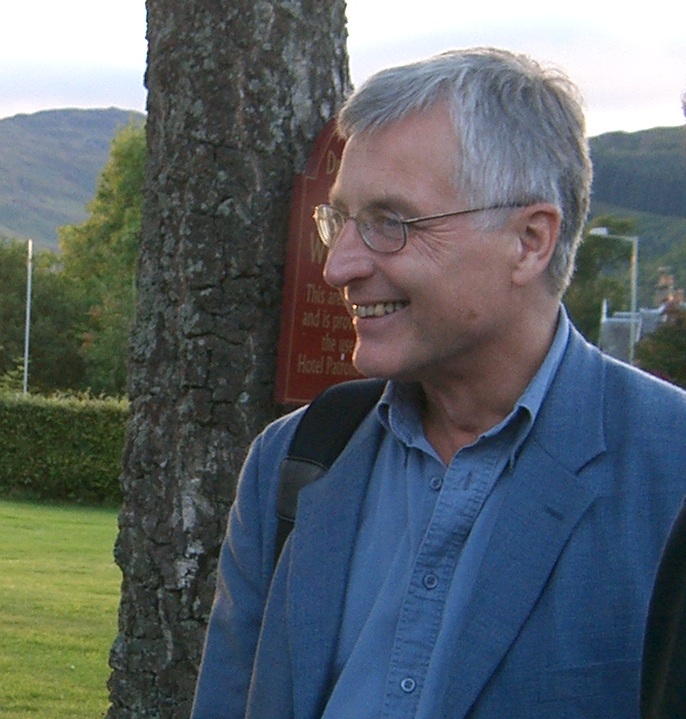
Michael R. Smith
Prof. Michael R. Smith was a regular attendee at the Social Stratification Reseach Seminar who sadly died in September 2024. As is highlighted in his McGill University obituary, Mike had a very busy and successful academic career in sociology, publishing in areas of social inequalities in economic outcomes, employment disputes and technological change at work. Mike attended numerous meetings of the stratification seminar over the approximate period 1990-2019 (the picture on the left is from the 2007 stratification seminar meeting). Known to some as 'radio Mike' for his talented and unusually fluent vocal delivery, he gave many a memorable paper to the seminar group, most often on the theme of pay inequalities by different social categories, and he could always be relied upon to provide valued, insightful comments on other papers in his friendly, learned way.
